

Understanding the basics of gambling A beginner's guide to winning strategies
Introduction to Gambling
Gambling is an age-old activity that combines chance and strategy, enticing players with the prospect of winning big. At its core, gambling involves wagering money or valuables on an event with an uncertain outcome, typically involving games of chance. Understanding the basics is essential for anyone looking to participate in this thrilling world, whether it be through casino games, sports betting, or online platforms. Many players are drawn to exciting titles like the Sugar Merge Up game, where they can experience the thrill of gaming firsthand.

As a beginner, it’s crucial to familiarize yourself with different types of gambling. There are various forms, such as table games like poker and blackjack, slot machines, and sports betting. Each type has its own rules, odds, and strategies, so diving into a specific area can enhance your understanding and enjoyment.
Fundamentals of Gambling Strategies
To improve your chances of winning, developing a sound strategy is vital. Basic strategies often involve understanding the odds associated with different games. For example, games like blackjack can be played using mathematical strategies to reduce the house edge. Familiarizing yourself with concepts like return-to-player (RTP) percentages can help you gauge which games offer better potential returns. Additionally, adopting effective tips and tricks can solidify your approach to various gambling experiences.
Moreover, bankroll management is a key component of any successful gambling strategy. Setting a budget and sticking to it ensures you avoid overspending and helps manage losses effectively. It’s about playing smart rather than just relying on luck.
Psychology of Gambling
The psychological aspects of gambling play a significant role in how individuals approach their bets. Understanding the emotional highs and lows associated with gambling can help players make more rational decisions. Recognizing the thrill of winning and the frustration of losing can impact future choices and betting behavior.
Moreover, developing self-control is essential to maintain a healthy relationship with gambling. It’s important to know when to walk away and to avoid chasing losses, which can lead to further financial issues. Mindfulness and self-awareness can significantly enhance the gambling experience, turning it into a form of entertainment rather than a source of stress.
Responsible Gambling Practices
Responsible gambling involves recognizing the risks and maintaining control over your gambling activities. Setting limits on time and money spent can help ensure that gambling remains a fun and enjoyable pastime rather than a harmful addiction. Many casinos and online platforms offer tools to help players manage their gambling habits.
Education is also a critical element of responsible gambling. Familiarizing yourself with the signs of gambling addiction and knowing when to seek help can protect you from the pitfalls of excessive gambling. Support groups and resources are available for those who need assistance in managing their gambling behaviors.
Exploring Online Gambling Platforms
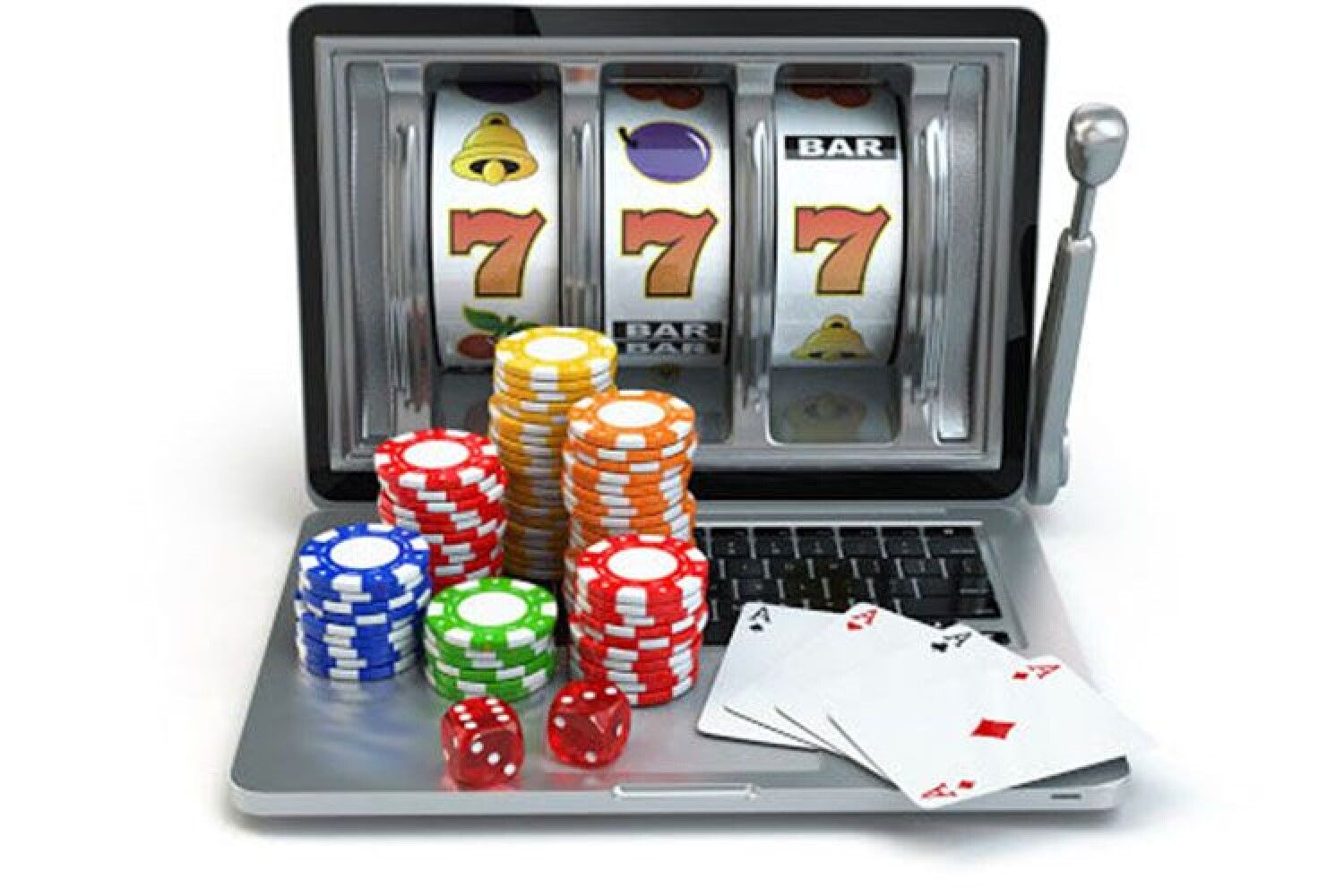
Online gambling has become increasingly popular, offering convenience and a wide variety of options for players. Many online casinos provide an immersive experience, allowing users to enjoy their favorite games from the comfort of home. With advancements in technology, these platforms often feature live dealer games and mobile-friendly interfaces.
Before diving into online gambling, it’s essential to choose a reputable platform. Look for licenses and certifications that ensure fairness and security. Additionally, taking advantage of free demos and bonuses can help you get acclimated to the games and develop your strategies without financial risk.